The Importance of Responsible E-waste Management Can Serve Companies Pursue Sustainability: Responsible Practices for Business Leaders
Electronics recycling affords a paramount prospect for entities endeavoring to enhance their ecological initiatives. By managing e-waste appropriately, enterprises can reduce their ecological impact and retrieve valuable substances. Also, embracing these practices can fortify corporate reputation among eco-conscious patrons. However, many organizations might fail to consider the complexities involved in implementing a successful recycling strategy. Grasping these nuances is essential for steering the direction toward greener operations and capturing long-term results.
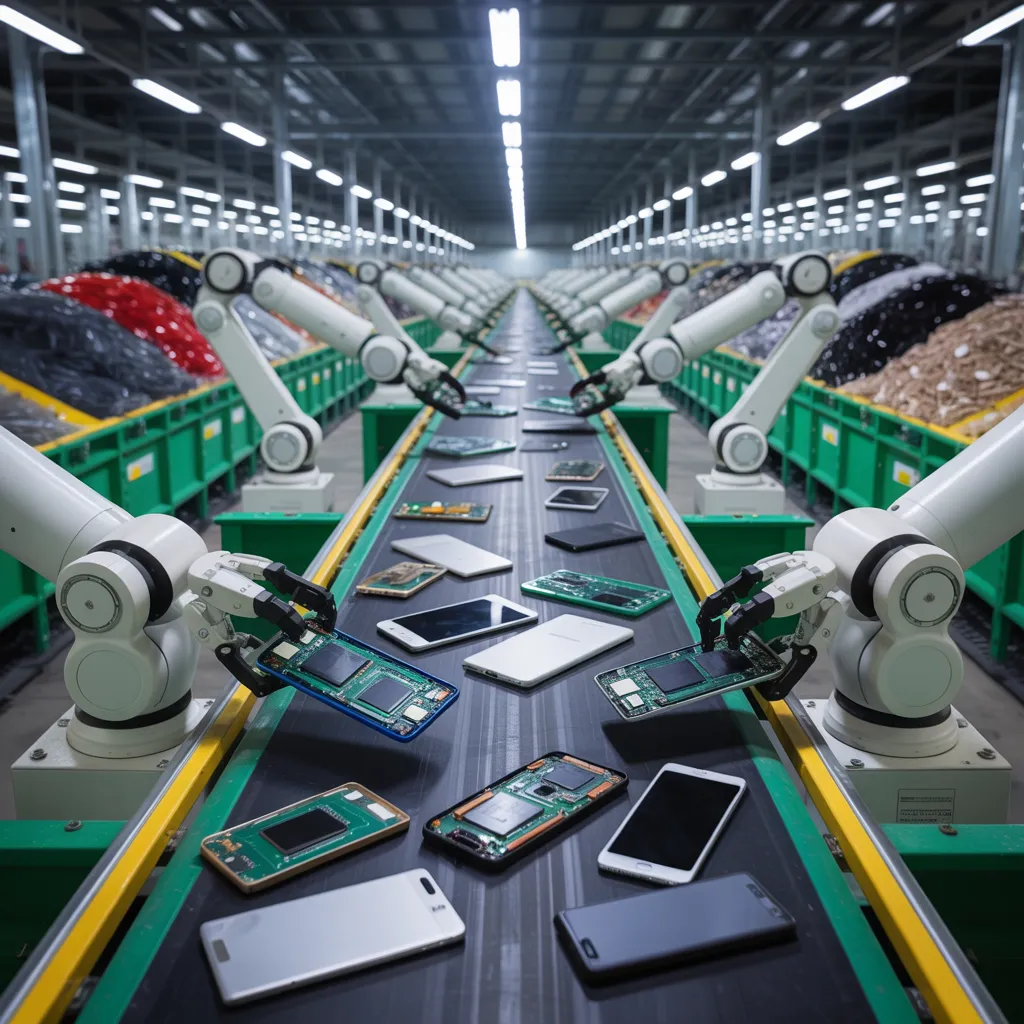
The Significance of Electronic Device Recycling for Companies
Although many companies may underestimate the importance of electronics recycling, it serves as an vital factor in supporting sustainability and decreasing environmental impact. As technological advancements quickens, companies regularly upgrade their electronic systems, resulting in a growing volume of e-waste. Proper recycling ensures that precious resources are retrieved, limiting the requirement for new material extraction and saving energy.
In addition, engaging in electronics recycling can boost a company's brand image. Consumers increasingly favor businesses dedicated to sustainable practices, and proving responsibility in managing e-waste can attract environmentally conscious customers. Adherence to regulations regarding electronic waste also protects businesses from potential legal liabilities and fines.
Moreover, recycling can yield cost savings. By sustainably managing outdated electronics, companies can reduce waste disposal fees and retrieve financial value from recyclable materials. Overall, promoting electronics recycling is not just an principled choice; it is a strategic business decision that endorses modern sustainability goals.
How Recycling Electronics Lowers Environmental Impact
Electronics recycling functions as an important role in reducing environmental effects by conserving natural resources and decreasing e-waste pollution. By recovering important materials, this practice supports the advocacy of circular economy principles. As enterprises participate in accountable recycling, they contribute to a more green future.
Protecting Environmental Resources
The reuse of electronics significantly contributes to the preservation of natural resources by reclaiming precious elements. Many electronic devices hold precious metals such as gold, silver, and palladium, which can be extracted and reused. This process decreases the demand for mining, a energy-intensive activity that depletes ecosystems and uses significant energy. In addition, recycling aids in recovering rare earth elements critical for manufacturing new technologies. By diverting electronic waste from landfills, businesses not only lessen the environmental impact of resource extraction but also foster a circular economy. This sustainable approach enables companies to decrease their carbon footprint, cut production costs, and promote environmental stewardship, ultimately fostering a healthier planet for future generations. Through responsible recycling, businesses can lead efforts toward conserving vital natural resources.
Mitigating E-Waste Pollution
A substantial portion of international waste consists of electronic devices, contributing to escalating environmental pollution. Incorrect e-waste disposal releases dangerous materials like heavy metals and toxins, polluting soil and water supplies. Recycling electronics reduces these risks through the safe and responsible processing of harmful components. By reusing materials such as metals, plastics, and glass, recycling cuts the need for new resource extraction, leading to reduced environmental impact. Additionally, recycling programs support the responsible disposal of outdated devices, assisting businesses comply with environmental regulations. Companies that participate in electronics recycling reduce their carbon footprint and support a healthier environment. This proactive approach demonstrates corporate responsibility while addressing the pressing issue of e-waste pollution effectively.
Promoting Circular Economy Methods
Establishing strong e-waste management initiatives represents a fundamental dimension in developing sustainable economic practices. When organizations process discarded electronics, they can dramatically reduce the call for raw resources, thus protecting natural resources and stemming ecological degradation. This undertaking facilitates the reclamation of valuable components, stretching the lifecycle of products and reducing the volume of electronic waste transported to landfills. Furthermore, through embracing sustainable economic principles, organizations can elevate their reputation and respond with consumer demand for sustainable operations. Supporting conscientious recycling efforts furthermore stimulates innovation in product development, compelling manufacturers to create products that lend themselves better to disassembly and reprocessing. In summary, integrating electronics recycling within organizational practices furthers a more environmentally responsible future, serving both the ecosystem and the economy.
Primary Advantages of Electronics Recycling for Enterprises
Electronics reprocessing offers major advantages for firms, mainly through cost savings and environmental impact reduction. By correctly recycling obsolete devices, organizations can lower disposal costs and recover valuable materials. Moreover, adopting recycling practices strengthens corporate responsibility and fosters green initiatives.
Cost Savings Opportunities
Countless businesses are recognizing significant savings through effective e-waste recycling practices. By establishing these initiatives, companies can reduce disposal fees associated with e-waste, since recycling often costs less than landfill disposal. Equally, valuable materials recovered from old electronics can be sold, producing revenue and reducing replacement costs. Efficient recycling systems also decrease storage costs for aging equipment, freeing up valuable office space. Moreover, many businesses gain from tax incentives related to green initiatives practices, offering another layer of financial advantage. Overall, embracing electronics recycling not only supports corporate responsibility but also fosters economic efficiency, allowing businesses to use resources more effectively and improve their bottom line.
Environmental Burden Reduction
A major reduction in ecological footprint is one of the core benefits companies gain when they implement comprehensive electronics waste management. By reprocessing old equipment, organizations can limit toxic debris, such as harmful elements and poisonous materials, that can pollute terrestrial and marine environments. This not only contributes to safeguarding natural reserves but also lowers the climate impact stemming from producing fresh devices. Additionally, reprocessing reduces energy consumption, as it often requires minimal electricity to work with reclaimed materials than to extract and treat untreated raw materials. As institutions execute such initiatives, they support circular business models, fostering ecological responsibility and conservation. Ultimately, accountable device disposal allows companies to improve environmental reputation while benefiting the environment.
How to Establish a Prosperous Electronics Disposal Approach
Forming a successful electronics recycling strategy calls for careful strategizing and execution. Enterprises should undertake by reviewing their operational electronic waste management practices to identify areas for improvement. This examination should feature an inventory of outdated devices and an valuation of disposal systems.
Next, organizations must set clear goals for their recycling efforts, which could encompass reducing waste, increasing recycling rates, or boosting environmental initiatives. Involving staff through educational workshops fosters a commitment to ecological stewardship and encourages participation in waste management programs.
Additionally, establishing a timeline and financial plan is crucial for tracking progress and guaranteeing resources are distributed efficiently. Frequently assessing and updating the approach based on input and changing regulations helps maintain adherence and effectiveness. By combining these elements, companies can explore the details create a robust electronics recycling strategy that not only benefits the environment but also promotes corporate accountability and enhances their green image.
How to Select the Right Electronic Device Recycling Provider
In what way can a company confirm that its e-waste recycling provider adheres to its sustainability goals? Determining the right recycling partner requires careful evaluation of their practices and qualifications. Organizations should seek partners who possess established certifications, like R2 or e-Stewards, which validate compliance to sustainability standards.
Additionally, enterprises should question regarding the partner's recycling techniques, encompassing the procedures for addressing hazardous materials and the share of materials recycled in contrast to those placed in landfills. Transparency in data management and reporting standards is also important.
Additionally, a strong reputation in the industry can demonstrate reliability; businesses may gain benefits from reviews and testimonials from other clients. Participating in transparent communication about sustainability goals will help guarantee alignment. Ultimately, choosing a partner dedicated to ethical recycling practices can significantly improve a corporation's overall environmental programs.
Dispelling Widespread Untruths Regarding Electronics Recycling
Many businesses understand the necessity of electronics recycling, but a number of myths remain that can limit proper practices. A common misconception is that all electronics may be placed in standard recycling bins. Actually, particular facilities are necessary to manage electronic waste safely. Another myth implies that recycling electronics is too costly for businesses. In reality, a variety of recycling programs deliver free or low-cost services that can finally save companies money by decreasing waste disposal fees. Additionally, some assume that data security concerns make recycling too dangerous. However, reputable recycling partners deliver certified data destruction services, ensuring sensitive information is safely handled. Lastly, there is a notion that recycling electronics has minimal environmental impact. In truth, proper recycling substantially reduces e-waste in landfills and preserves valuable resources. Debunking these myths is important for businesses trying to adopt sustainable practices and support the environment.
Measuring Your Electronics Recycling Success
Organizations that successfully dispel misconceptions about electronics recycling often find themselves eager to evaluate their advancement. Monitoring KPIs is essential for determining the impact of recycling programs. Measurements such as the volume of e-waste recycled, the proportion of materials reclaimed, and financial gains can offer valuable perspectives.
Furthermore, organizations should review their emissions reduction efforts and adherence to sustainability requirements. Engaging employees through educational campaigns can also be measured by participation rates in recycling programs.
Including customer feedback can further enhance awareness regarding the recycling program's impact. Consistent audits and analysis on these metrics not only underscore successes but also identify areas for improvement.
Ultimately, a systematic method to assessing electronics recycling success allows businesses to make evidence-based decisions, fostering a culture of sustainability that benefits both the environment and the organization.
Popular Questions Asked Often
What Varieties of Electronics Can Be Recycled?
A wide range of electronics are able to be recycled, including computers, smartphones, tablets, televisions, printers, and gaming consoles. These items frequently hold precious resources that can be reused, reducing waste and supporting environmental sustainability.
How Often Should Businesses Dispose of Their Electronic Devices?
Organizations should recycle their electronics at least once annually, or more frequently guided by infrastructure improvements and equipment turnover. Regular recycling guarantees efficient resource management and compliance with environmental regulations, promoting sustainability in your organization.
What Fees Are Included With Electronics Recycling?
Yes, there are costs associated with electronics reclamation, including collection, transportation, and processing charges. However, these expenses can be offset by potential reductions from reduced waste disposal and compliance with environmental standards.
Can Reusing Electronics Create Data Privacy Risks?
Yes, recycling electronics can result in information security threats if proper procedures are not maintained. Confidential details may be unintentionally exposed during the recycling process, illustrating the importance of confidential data elimination processes before throwing away.
What Certifications Must a Recycling Partner Demonstrate?
A reputable recycling partner should possess qualifications such as R2, e-Stewards, and ISO 14001. These qualifications verify conformity with ecological requirements, data security protocols, and ethical waste management, preserving both the natural world and private details.